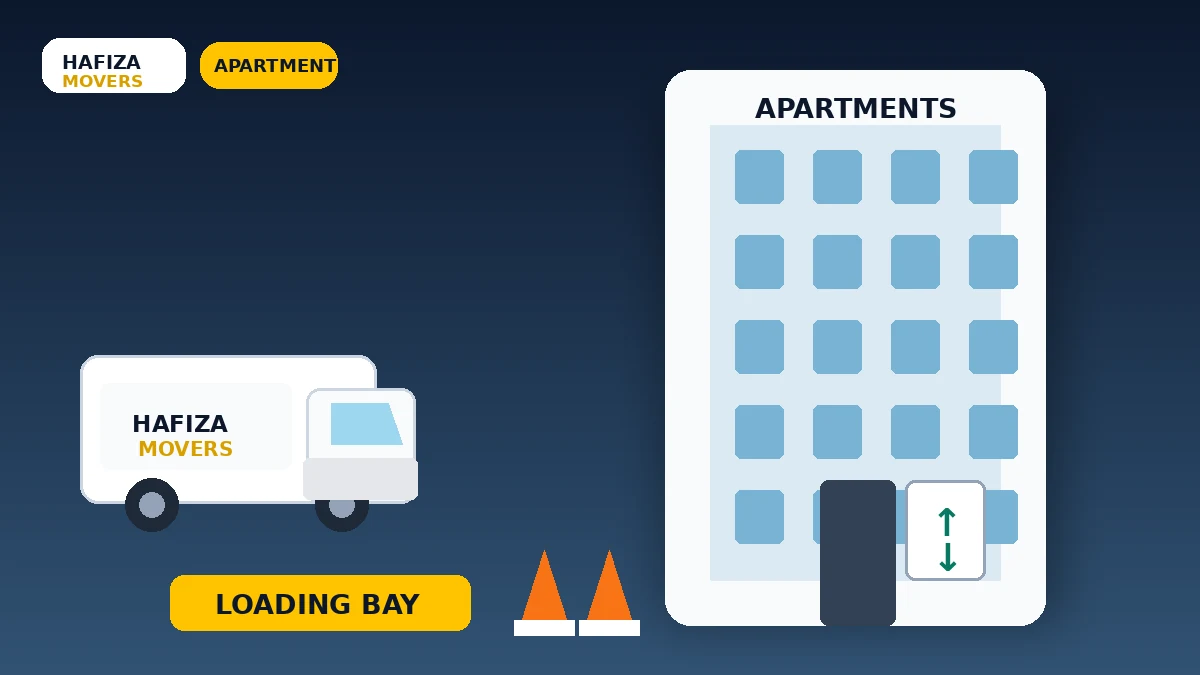
Apartment Moving
Apartment Moving Checklist Melbourne: Lifts, Parking and Building Access
Plan lift bookings, loading access, parking, building rules and packing with this practical Melbourne apartment moving checkl
Read guide →A practical Melbourne room-by-room method to keep what matters, donate or sell useful items, recycle correctly and avoid paying to move clutter.
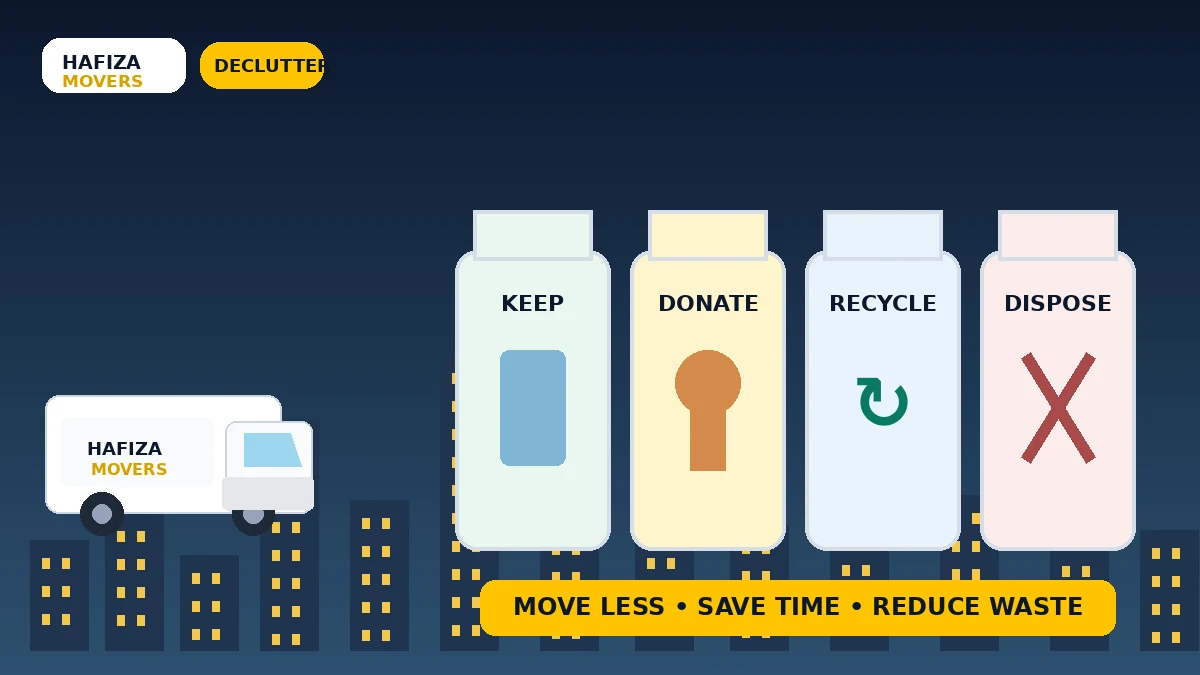
A moving team handles the items that are present on the day. Fewer cartons and pieces can reduce packing work, carrying, truck space and unloading decisions, although the final price depends on the company’s charging method and the full job conditions.
Declutter before requesting the final estimate where possible, then provide an updated list through the Hafiza Movers and Packers quote form. Read Removalist Quotes Explained to understand how volume and labour can affect the total.
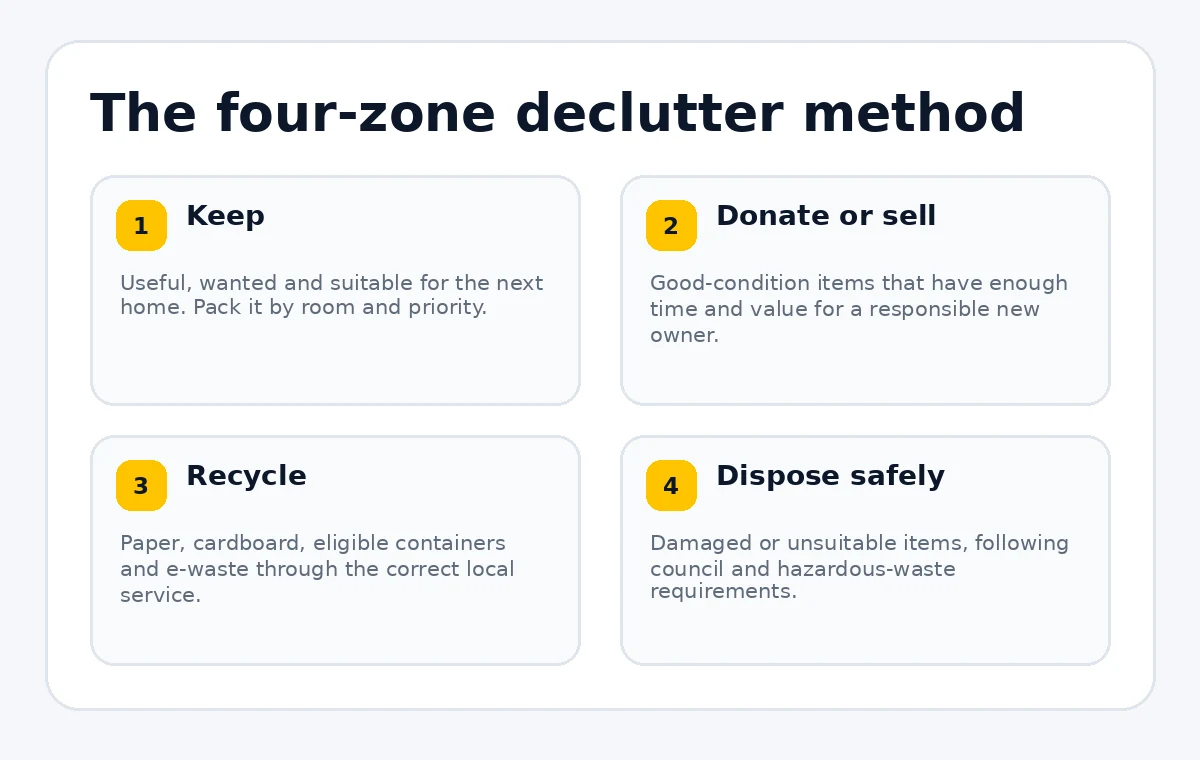
Useful, wanted, suitable for the new space and worth the handling or replacement cost.
Good-condition items with enough time to find a responsible new owner.
Eligible materials placed in the correct council or specialist recycling stream.
Damaged or unsuitable items handled according to local and hazardous-waste requirements.
Measurements matter for sofas, dining tables, wardrobes, outdoor furniture and gym equipment. Use the furniture removal service page for relevant planning links.
| Method | Best for | Control step |
|---|---|---|
| Donate | Clean, usable items accepted by a chosen organisation. | Confirm acceptance and delivery or collection before relying on it. |
| Sell | Items with realistic value and enough lead time. | Set a final sale date; after it, move the item to another category. |
| Recycle | Materials accepted by council or a specialist program. | Check local rules—recycling services differ between councils. |
| Dispose | Damaged, contaminated or unsuitable items. | Use lawful services; do not leave items at the old property without permission. |
Sustainability Victoria recommends checking what the local council accepts because recycling services and contamination rules vary. E-waste, batteries, paint and chemicals may need dedicated drop-off options.
| Day | Area | Finish line |
|---|---|---|
| 1 | Garage, balcony and storage | Large outgoing items booked for collection. |
| 2 | Wardrobes and linen | Keepers packed by season; donations bagged and labelled. |
| 3 | Kitchen and pantry | Open food plan made; duplicates and unsafe liquids removed correctly. |
| 4 | Living areas | Books, decor and electronics decided and boxed. |
| 5 | Bedrooms and children’s items | Daily essentials separated; outgrown items processed. |
| 6 | Paperwork and sentimental items | Documents secured; memory items packed carefully. |
| 7 | Whole-home sweep | Every outgoing pile has left or has a confirmed appointment. |
Once an item is confirmed for the new home, pack and label it instead of handling it repeatedly. Use the full moving checklist for timing and the packing service when you need practical help after the decisions are complete.

This guide reflects the practical questions our booking and moving team uses to plan local house, apartment, furniture and office moves: inventory, access, parking, timing, fragile items and the right truck.
Read customer feedback · See recent Melbourne moves on Instagram
Start 4-8 weeks before the move for a typical home, earlier for large storage areas or items that need selling or collection.
Begin with a low-emotion, high-volume area such as storage, garage, books or seasonal clothing.
It can reduce the load and handling, but the final price also depends on time, access, distance, minimum charges and selected services.
Sell, donate, recycle or dispose of it through a lawful service, confirming acceptance and collection before moving day.
Use your council or Sustainability Victoria guidance. E-waste and batteries commonly require designated collection points.
Practical Melbourne moving advice covering preparation, access, packing, costs and moving day.
Plan lift bookings, loading access, parking, building rules and packing with this practical Melbourne apartment moving checkl
Read guide →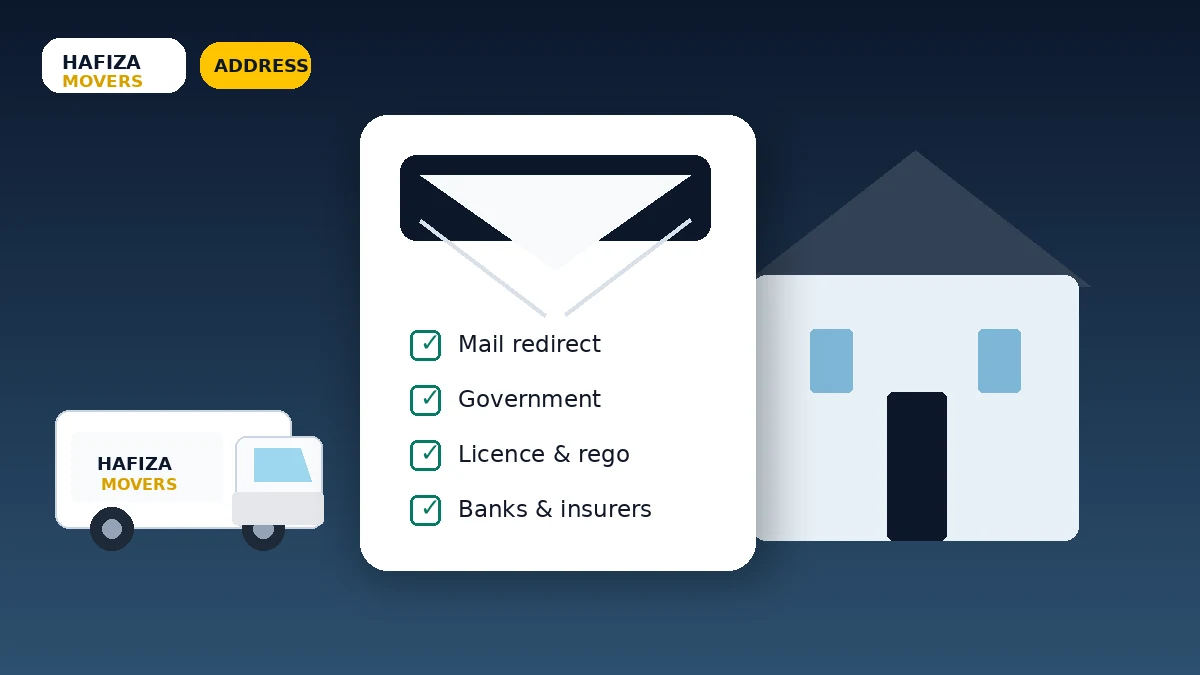
Use this Australian change-of-address checklist for mail, government, VicRoads, banks, utilities, insurance, healthcare, scho
Read guide →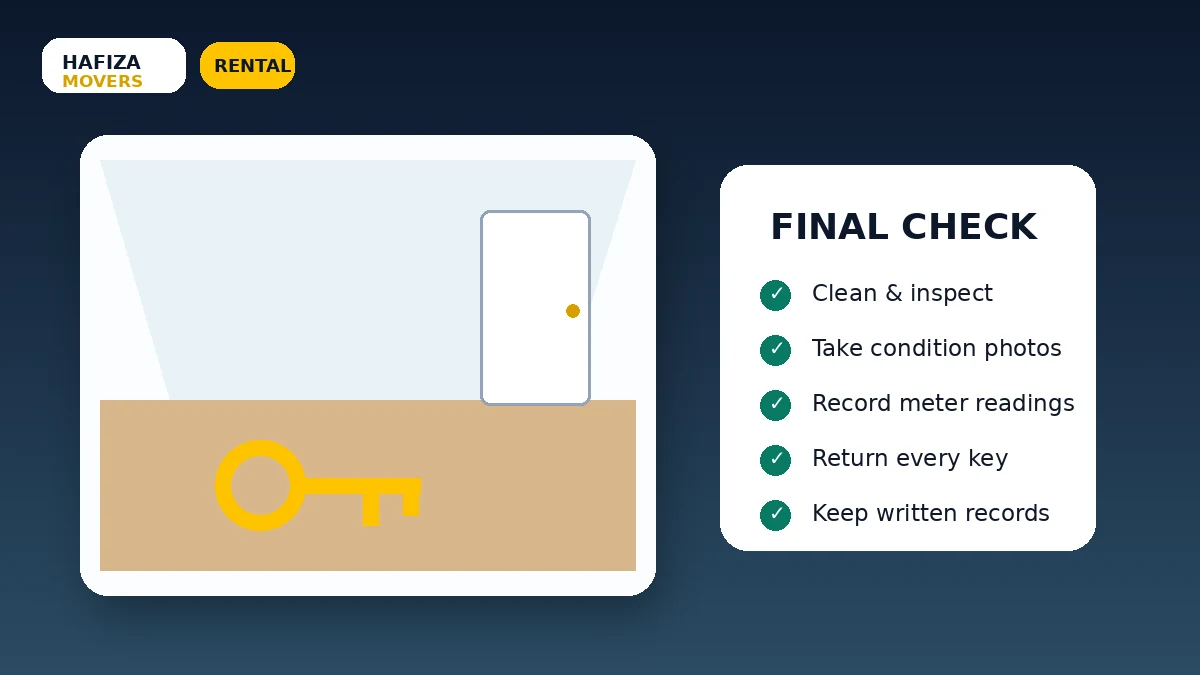
Follow this Victorian end-of-lease moving checklist for notice, cleaning, condition photos, utilities, keys and a smoother mo
Read guide →
Estimate moving time for 1, 2, 3 and 4-bedroom homes, with adjustments for stairs, lifts, parking, packing, distance and team
Read guide →