Check the forecast, not just the rain icon
Review the local Melbourne forecast in the days before the move and again on the morning itself. Look at expected rainfall, wind, thunderstorms and official warnings. Conditions can differ across suburbs and throughout the day, so confirm both pickup and delivery areas.
- Save the Melbourne forecast and current Victorian warnings.
- Discuss the weather plan with the moving company before arrival.
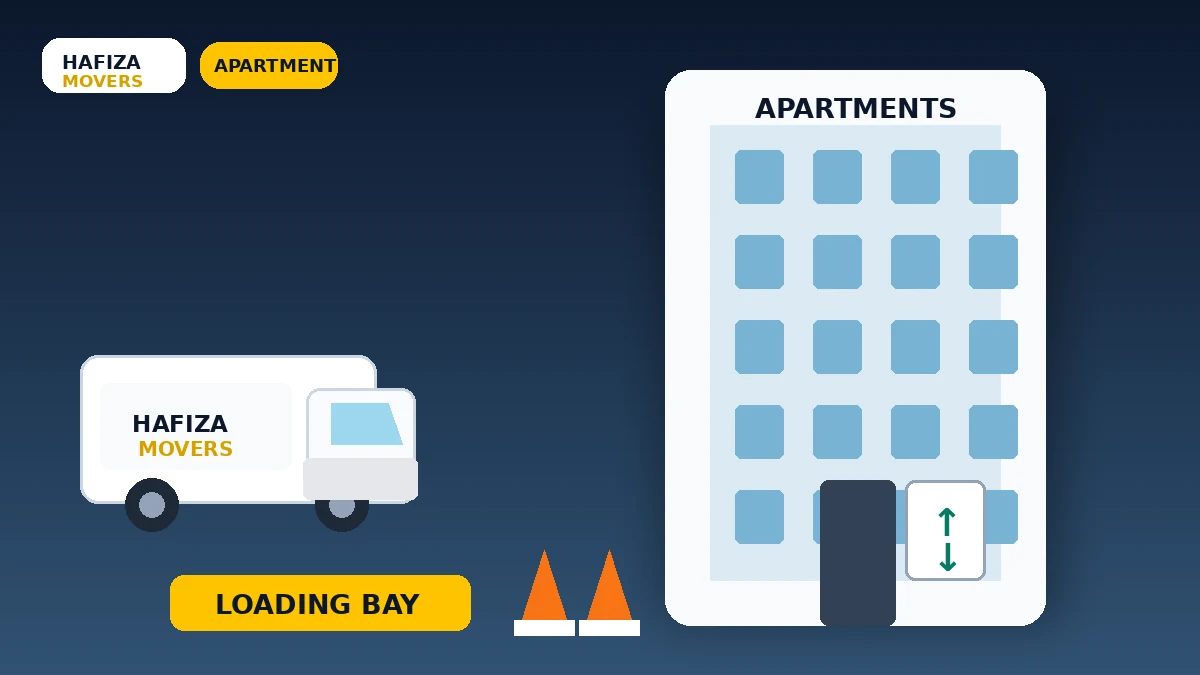
- Confirm whether a sheltered loading bay or garage is available.
- Allow extra travel and handling time rather than planning a rushed schedule.
- Keep the decision flexible when severe conditions or flooding affect safety.
Create a dry, non-slip route from room to truck
Rain damage often begins at entrances where water, mud and repeated foot traffic meet. Clear the route before the truck arrives, remove loose mats that can slide and use suitable absorbent protection without creating trip hazards.
| Area | Preparation |
|---|---|
| Front entrance | Use absorbent mats or towels, keep the doorway clear and assign someone to replace wet protection. |
| Hallways | Remove obstacles, cords and small rugs; protect suitable flooring with secure materials. |
| Steps and ramps | Check grip, lighting and drainage. Do not cover steps with loose plastic. |
| Truck position | Use the closest lawful, stable access point and keep doors closed between loading runs where practical. |
| New property | Prepare protection before the first item is unloaded, not after the floor is already wet. |
Apartment moves also require lift and loading-bay coordination. Use the apartment access checklist alongside this guide.
Protect boxes, furniture and moisture-sensitive items
Cartons and household goods
- Tape box seams and close every lid fully.
- Do not place cartons on wet ground or leave them waiting outdoors.
- Use appropriate covers for mattresses, upholstered furniture and timber pieces.
- Keep electronics, artwork, documents and soft furnishings under shelter until their loading turn.
- Dry small droplets quickly instead of allowing moisture to travel into wrapping or joints.
Plastic wrap is not a universal solution
Wrapping must suit the item. Trapped moisture can be harmful to some timber, fabric or delicate surfaces. Ask the mover or a specialist packer about the right protection for valuable pieces. Hafiza Movers and Packers offers packing and wrapping support for customers who want help preparing the load.
Wet-weather moving-day sequence
- Walk the route. Check both properties for water, slippery surfaces, unstable ground and blocked drainage.
- Prepare protection. Place safe floor protection and keep spare towels, covers and tape accessible.
- Load by readiness. Move fully packed, protected items; do not create loose piles at the doorway.
- Keep doors controlled. Close truck and building doors whenever practical to reduce rain entering.
- Inspect during unloading. Direct each item to its room, remove wet outer protection appropriately and wipe small moisture promptly.
When should a rainy move be delayed?
Light rain can often be managed with preparation, but the decision changes when weather creates unacceptable risk. Pause and reassess for lightning, damaging winds, flooding, unsafe roads, poor visibility, unstable ground or building access that cannot be used safely. The moving company may also need to adjust the start time or sequence.
Proceed carefully
Manageable rain, safe roads, controlled entrances and suitable covers.
Adjust
Delay within the day, shorten outside exposure or change the loading route.
Pause
Official warnings or conditions that make driving, lifting or access unsafe.
Information to provide for a wet-weather quote
Share property access, parking distance, covered areas, stairs, lifts, ground conditions and any moisture-sensitive items. These details help the mover plan materials and time. For an estimate, send the full brief through the free quote form, and review the quote breakdown guide before confirming.


Written and reviewed by Hafiza Movers and Packers Melbourne
This guide reflects the practical questions our booking and moving team uses to plan local house, apartment, furniture and office moves: inventory, access, parking, timing, fragile items and the right truck.
Read customer feedback · See recent Melbourne moves on Instagram
Useful sources and further reading
Frequently asked questions
Do removalists work when it is raining?
Many moves can proceed in manageable rain, but the plan depends on warnings, wind, road conditions, access and the ability to protect people and belongings safely.
How do I stop moving boxes getting wet?
Seal cartons, stage them indoors, keep the truck close where lawful and load each box directly rather than leaving it on wet ground.
Should I cover timber furniture in plastic?
Protection should suit the surface and conditions. Ask the mover or a specialist packer because trapped moisture can affect some materials.
What should I put on floors during a rainy move?
Use secure, suitable absorbent or protective materials that do not create a slip or trip hazard, and replace them when saturated.
Can a move be postponed because of severe weather?
Yes. Safety, official warnings, road access and contractual terms should guide the decision. Discuss contingencies with the mover before the date.