Apartment Moving
Apartment Moving Checklist Melbourne: Lifts, Parking and Building Access
Plan lift bookings, loading access, parking, building rules and packing with this practical Melbourne apartment moving checkl
Read guide →An age-aware family moving plan covering communication, school and childcare, packing involvement, moving-day safety and a calmer first week.
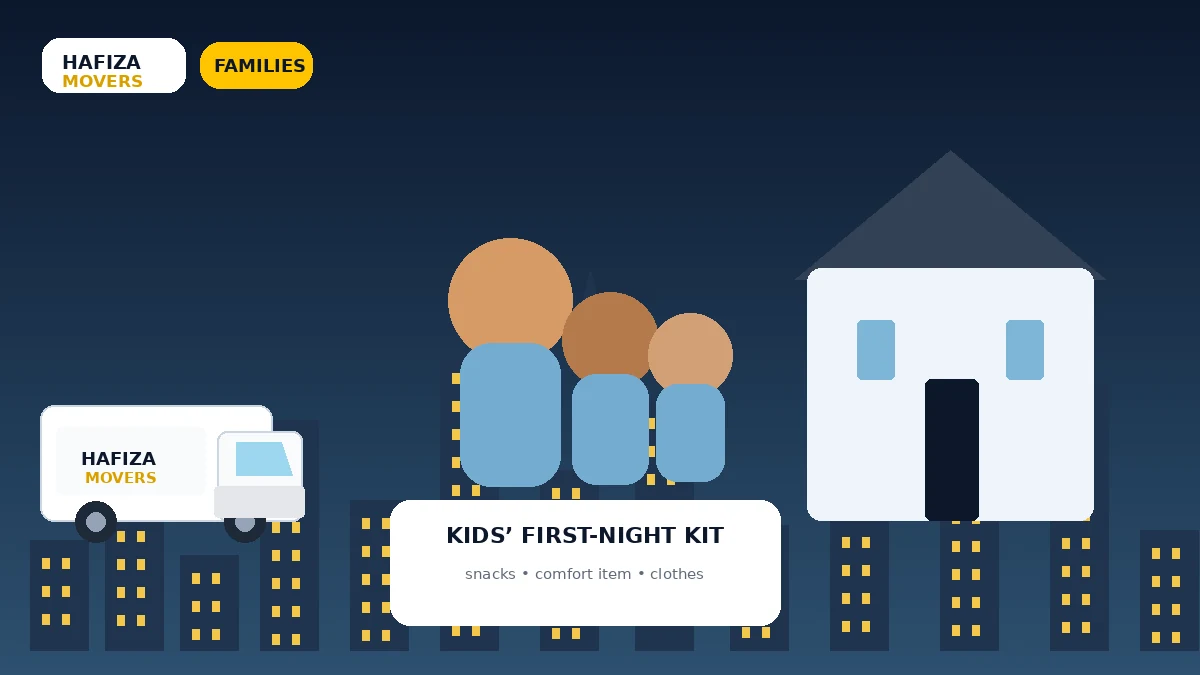
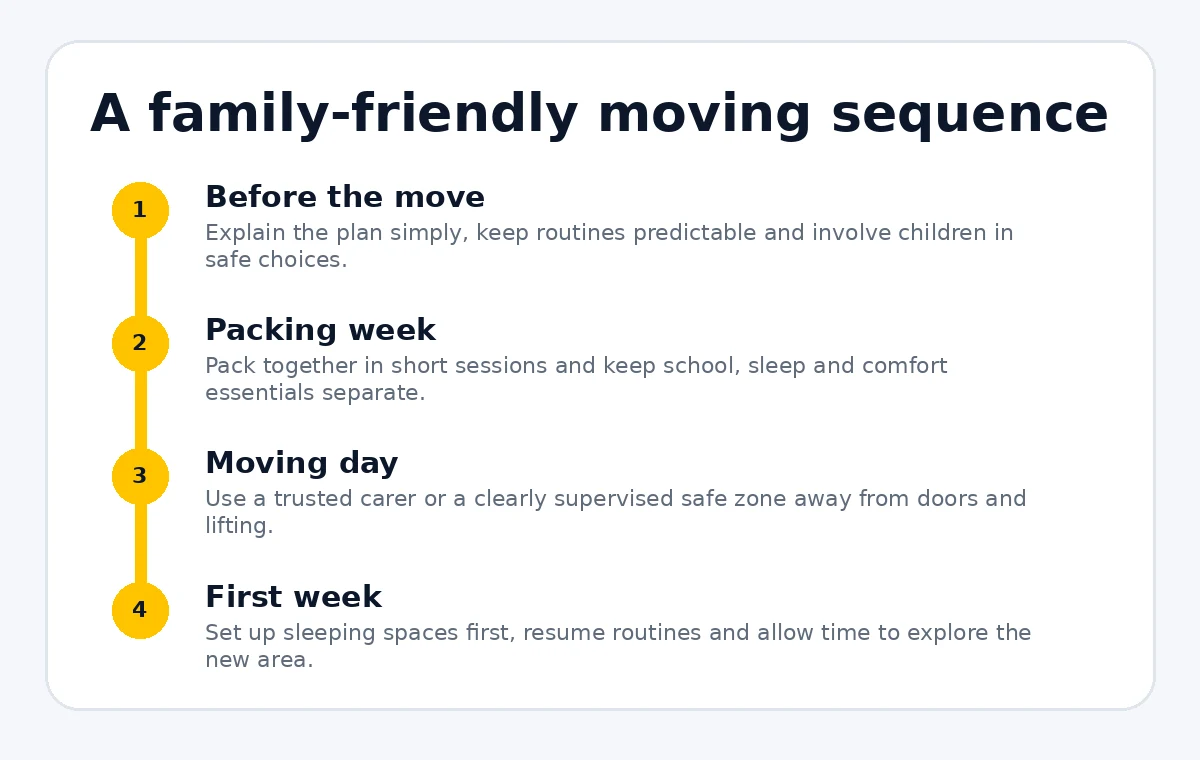
Children can respond differently depending on age, temperament and the reason for moving. Give clear information once the plan is reasonably certain, allow questions and avoid promising details you cannot control. Explain the date, the new home, school or childcare arrangements and how they will stay connected to important people.
Use short explanations, picture books, familiar routines and repeated reminders close to the date.
Use a calendar, let them pack selected items and discuss school, friends and the new area.
Share practical information early, respect friendships and involve them in room and transport decisions.
Raising Children Network provides guidance about choosing, starting and moving schools. Use school-specific advice when a change of school is part of the move.
Add these organisations to the Australian change-of-address checklist.
Give safe, limited choices: which toys go in the first-night box, the colour of room labels or which books travel in the car. Adults should handle sharp tools, heavy cartons, chemicals, dismantling and decisions about valuable or unsafe items.
For the full household sequence, follow the Melbourne moving-house checklist.
The safest option for young children is often a trusted carer away from the property. When that is not possible, assign one adult whose primary responsibility is supervision—not carrying furniture, directing the truck and answering every logistics question at the same time.
| Category | Useful items |
|---|---|
| Sleep | Bedding, pyjamas, comfort item, night light and favourite bedtime book. |
| Food | Water, simple snacks, breakfast basics and any feeding equipment. |
| Care | Medicine, nappies, wipes, toiletries, spare clothes and first-aid supplies. |
| School | Bag, uniform, lunch items, device, charger and documents needed immediately. |
| Connection | Phone numbers, family calendar and a planned call with important friends or relatives. |
Carry this kit in the family vehicle so it is available even if unloading takes longer than expected.
Set up sleeping spaces and basic eating, bathing and school routines before perfecting every room. Let children explore the home with supervision, identify safe boundaries and choose one familiar arrangement or decoration. Expect mixed emotions; excitement and sadness can exist together.
Share both addresses, access, parking, major furniture, box estimate and any time window with the mover. Professional packing support may reduce late-night work for parents, while a clear moving quote request helps define the schedule.

This guide reflects the practical questions our booking and moving team uses to plan local house, apartment, furniture and office moves: inventory, access, parking, timing, fragile items and the right truck.
Read customer feedback · See recent Melbourne moves on Instagram
Tell them once the plan is reasonably certain, using age-appropriate details and enough time for questions and practical preparation.
For young children, a trusted carer away from lifting and open doors is often safest. Otherwise assign one adult to direct supervision.
Include sleep items, a comfort object, snacks, water, spare clothes, toiletries, medication, school essentials and a familiar activity.
Offer safe limited tasks such as choosing room-label colours, sorting books or selecting first-night toys. Adults should handle heavy, sharp or hazardous work.
Restore sleep, meal and school routines, set up their room early, explore the new area together and maintain contact with important people.
Practical Melbourne moving advice covering preparation, access, packing, costs and moving day.
Plan lift bookings, loading access, parking, building rules and packing with this practical Melbourne apartment moving checkl
Read guide →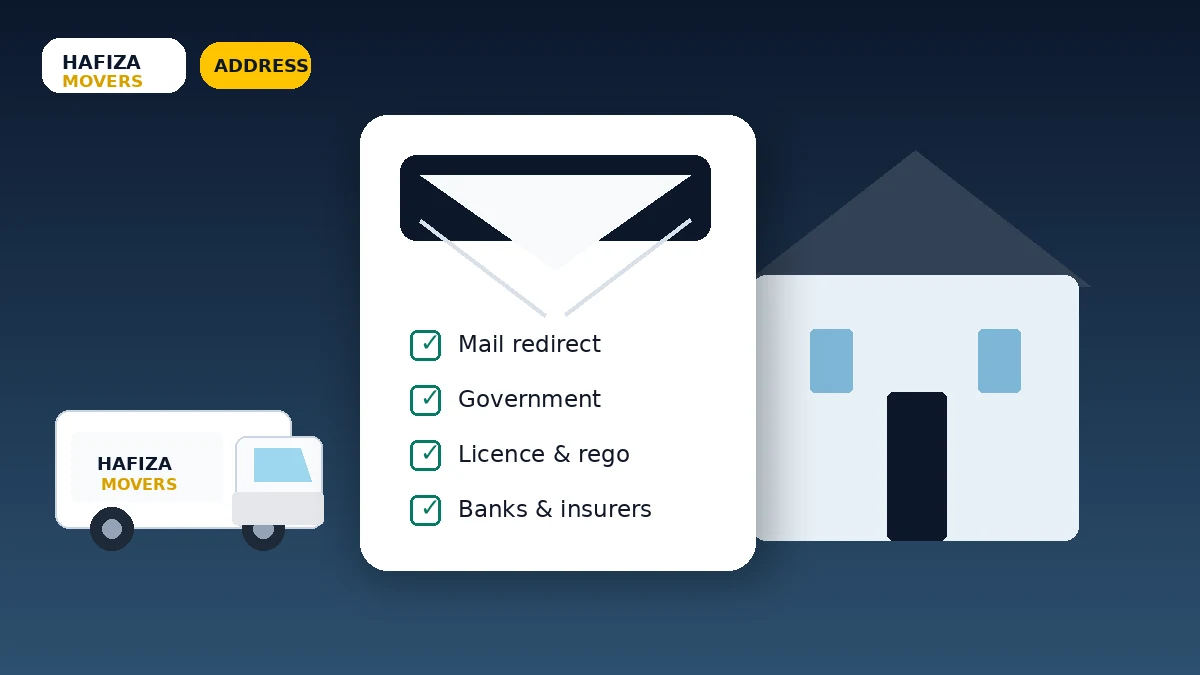
Use this Australian change-of-address checklist for mail, government, VicRoads, banks, utilities, insurance, healthcare, scho
Read guide →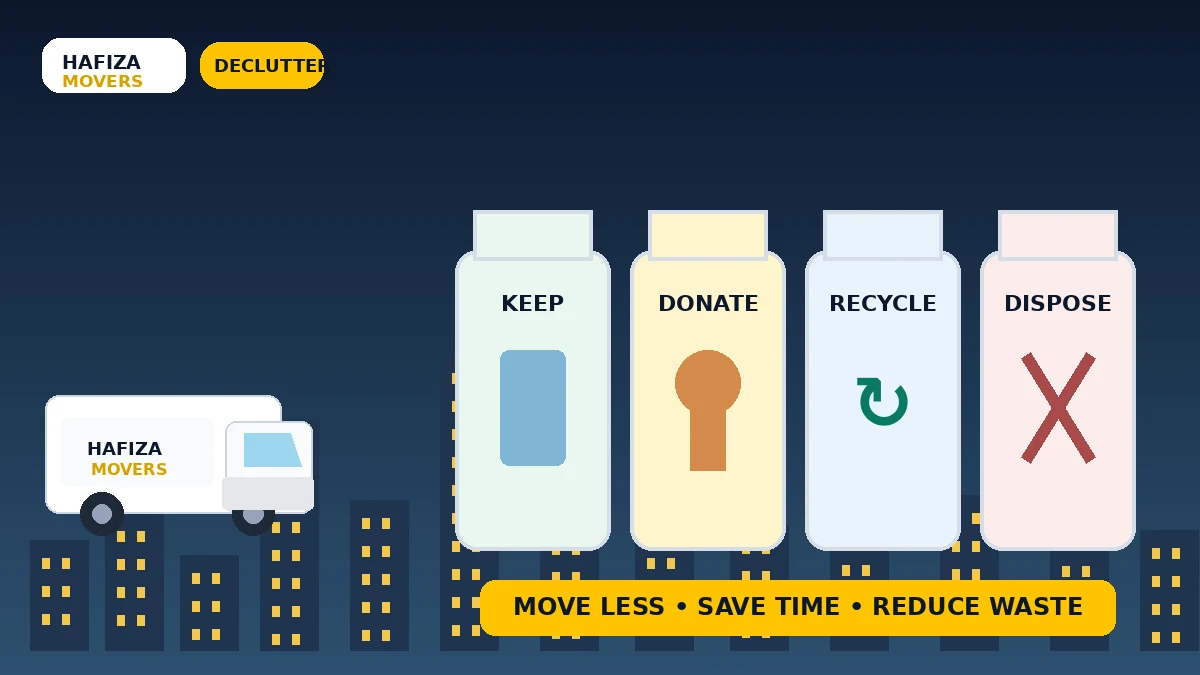
Declutter before moving with a room-by-room keep, donate, sell, recycle and dispose plan that reduces boxes, handling time an
Read guide →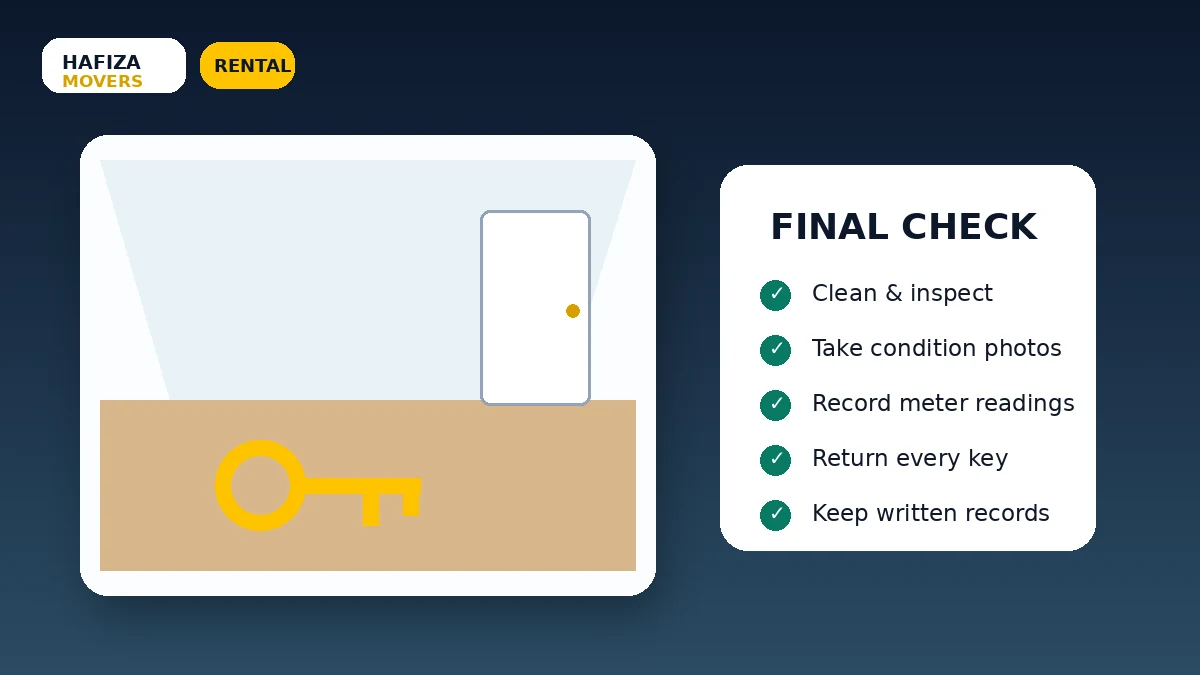
Follow this Victorian end-of-lease moving checklist for notice, cleaning, condition photos, utilities, keys and a smoother mo
Read guide →